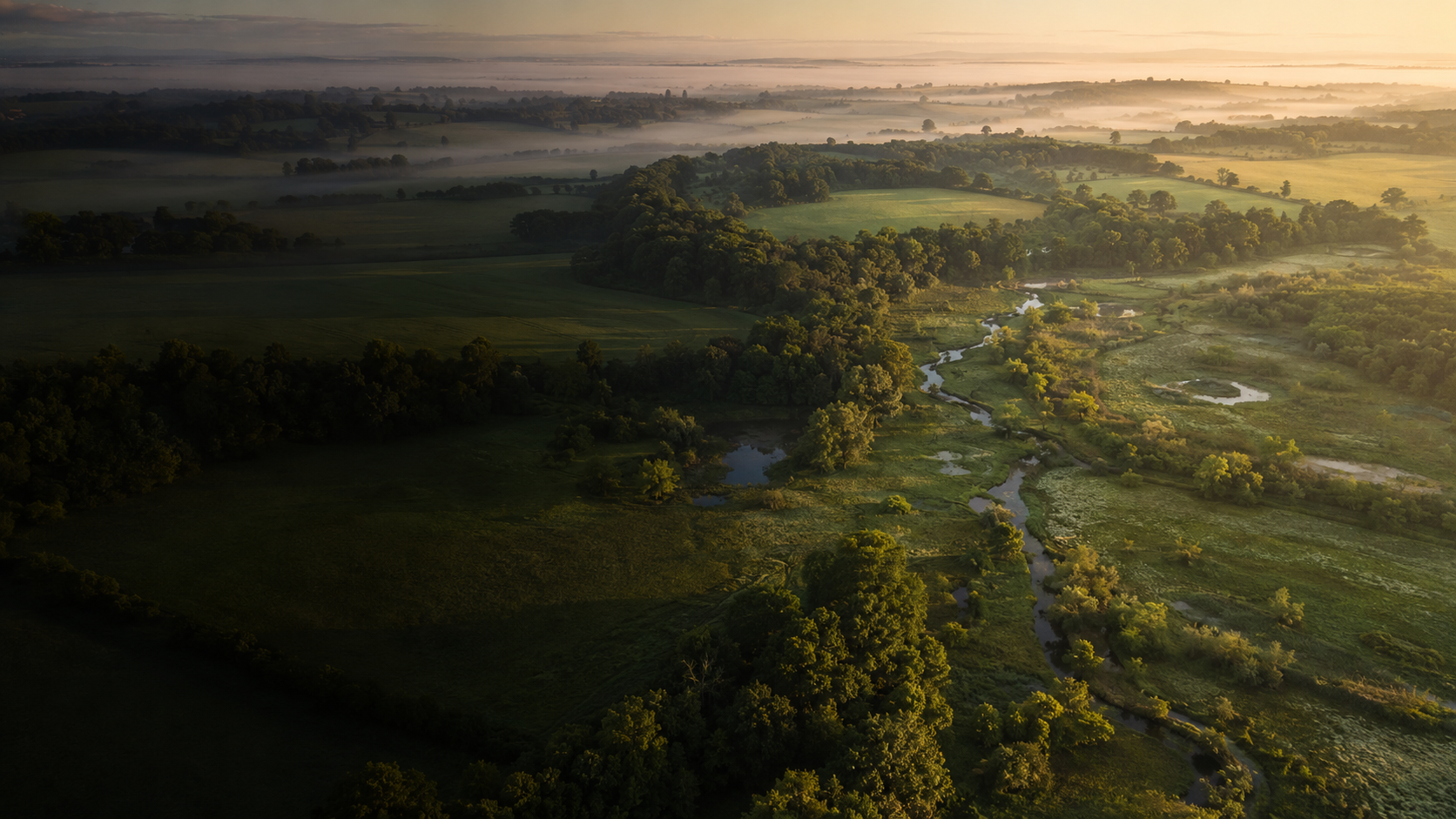
Restored estate habitat landscape for Biodiversity Net Gain

LANDOWNER CHECKLIST

BNG landowner checklist.

A practical checklist for landowners considering a habitat bank or off-site Biodiversity Net Gain unit opportunity.

BNG RESOURCE · UPDATED 26 JULY 2026

Decision-ready guidance for England's BNG market.

01

Define the land parcel

Map candidate parcels, ownership, tenancies, access, boundaries, designations, easements and practical management constraints before modelling units.
02

Check baseline habitats

Record current habitat type, condition, strategic significance and any constraints that could limit credible biodiversity uplift.

03

Test habitat interventions

Compare meadow, wetland, woodland edge, scrub, hedgerow and mosaic options against soil, hydrology, landscape context and delivery risk.

04

Model the metric

Use the statutory biodiversity metric to estimate uplift, but do not treat theoretical unit output as saleable value until risk and evidence are tested.

05

Fund the 30-year plan

Ring-fence habitat creation, establishment, management, monitoring, reporting and contingency before estimating landowner return.

06

Choose legal security

Decide whether a section 106 agreement or conservation covenant is likely to be the right route for the land and counterparties.

07

Prepare buyer evidence

Developers need unit amount, habitat type, location, HMMP, legal route, registration status and allocation process.

08

Plan market timing

Unit sales depend on local development demand, planning deadlines and the availability of competing off-site supply.

COMMON QUESTIONS

FAQs.

Can a landowner keep the freehold?

Usually yes. The landowner can retain ownership while committing defined land to long-term habitat management.

Is every farm suitable for BNG?

No. Suitability depends on ecological uplift, constraints, location, local demand and long-term management deliverability.

What should be checked first?

Start with ownership, constraints, baseline habitat, likely uplift, legal route, management cost and buyer demand.